


As an adult in today’s constantly switched-on world, finding a moment of peace can feel like trying to breathe underwater. When was the last time you were able to completely shut out the world and just be alone with your thoughts, or even better, escape your thoughts completely?
If you’re someone with any kind of responsibility, chances are not very often.
I’d like to share with you some of my experiences and discoveries I’ve made that have allowed to me to find peace in what can often be a hectic world.
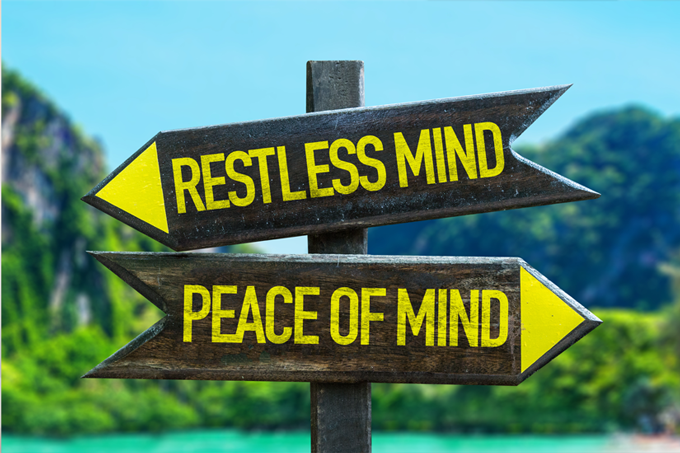
Everybody’s lives are completely distinct and unique, so the opportunity to just relax and be with oneself will vary from person to person. I am fortunate enough to not have any huge responsibilities at the moment – I’m between full time jobs, I have no kids and my calendar looks like a tic-tac-toe game just after the first move.
Nonetheless, I know what it’s like to feel overwhelmed with busyness; feeling like you can’t take a break due to anxiety over what needs to be done, being repeatedly pestered by pings and notifications from whichever device is nearest, and getting frozen with indecision on which task to tackle next. Between bursts of energy and productivity, you want nothing more than to lie down and take a nap, but don’t have the time. It’s exhausting!
It’s important to allow yourself the chance to get some peace though.
Six years ago, I was working two jobs – picking pumpkins in the hot Australia sun during the day, and then working a busy evening shift at a bar/restaurant. I was doing 14 hour days 5 days a week. The word ‘exhausting’ doesn’t quite cut it.
Fast-forward to two years ago and I was still wearing myself out. I was working a full time job teaching high school English from 7am-3pm, and evening classes 6-9 pm, five days a week. Picture eight hours in classrooms filled with 30+ noisy children, having to entertain and educate them with full-on energy and enthusiasm. Then imagine doing that Monday to Friday, for six months straight. It was intense. I often felt burnt out.
During those busy times in my life, I had to learn how to give myself momentary peace to stop myself from going utterly insane. As many of you are probably aware, trying to relax when you have such a busy schedule is a job in and of itself, but I managed… somehow.
In this post I’m going to share with you some of the techniques that have worked for me. Some of them are simple practices that you can do to de-stress in minutes, while others are activities you can dedicate more time to to ensure long-term calm and peace. All of them have helped me to find some semblance of ‘peace’.
We’ll begin with the quickest methods and work our way towards the long-term stuff.
1. Chew gum

A 2022 study found that chewing gum reduces anxiety and stress. A 2019 study found that gum can increase focus and short-term memory, and students reported lower anxiety levels when chewing gum before an exam.
Now I can’t speak for the scientific reasons behind this, but I can personally say that chewing gum makes me feel more relaxed. Perhaps it’s having something to keep your brain occupied and not wandering? Try chewing gum, maybe while commuting to work or during breaks, and see if the rhythmic, repetitive mouth movements give you temporary respite from the noise of your thoughts.
2. stretch your whole body

Stretching the body has a rather surprising number of benefits. Who would’ve thought that something as simple as pulling and pushing your own body parts for a couple of minutes could do so much? Stretching has been scientifically proven to:
- Reduce stress
- Increase serotonin level
- Stabilize your mood
- Help with pain management
- Boost your energy levels
- Promote inner peace and positivity
Whether I’ve been working in an office, a restaurant, or a classroom, I’ve incorporated stretching into my workday. Who cares if I look like a psychopath doing a seated spinal twist while I input data into a spreadsheet? They give me a temporary yet immediate boost.
You can easily find ways to fit stretches into your day, whatever your schedule is. You can stretch at your desk, while out and about, or at the end of your day. Click here for some quick stretches you can do right now.
3. drink herbal tea

I wish I could somehow go back in time and tell my teenage self to listen to my mum – she’d expounded on the benefits of herbal tea so much you’d think she was selling it. Only in my 30s did I discover the wonders of herbal tea. Whether you’re trying to soothe your nerves, get a better night’s sleep or even reduce your blood pressure – there’s a herbal tea for everything.
I’ve started drinking fennel tea at night to help me drift off into a deep sleep, and occasionally a chamomile tea to help with general anxiety throughout the day. If you don’t already know about the wonders of herbal tea, have a look at this extensive list of teas and their effects.
4. walk

Humans were made for walking. It’s what we evolved to do! When living in the city however, I tend to walk less than I’d like. Given the option, instead of walking from point A to B, I’ll take whatever other method of transport is available to me.
I first discovered the ‘art’ of walking after reading Henry David Thoreau’s Walking. He talks about how humanity has lost its connection to walking, and recommends walking off the beaten path, without direction or a destination in mind.
It can be hard to fit his form of walking into a busy work schedule or an urban landscape, but if you can do it, the mental health benefits are incredible. There’s nothing more freeing than just wandering out into the world and taking in your surroundings.
If you don’t have the time or the environment to just walk aimlessly through the wilderness, you can still try walking around wherever you can. Just 10-30 minutes of walking a day can significantly reduce stress and improve mental health.
5. meditate
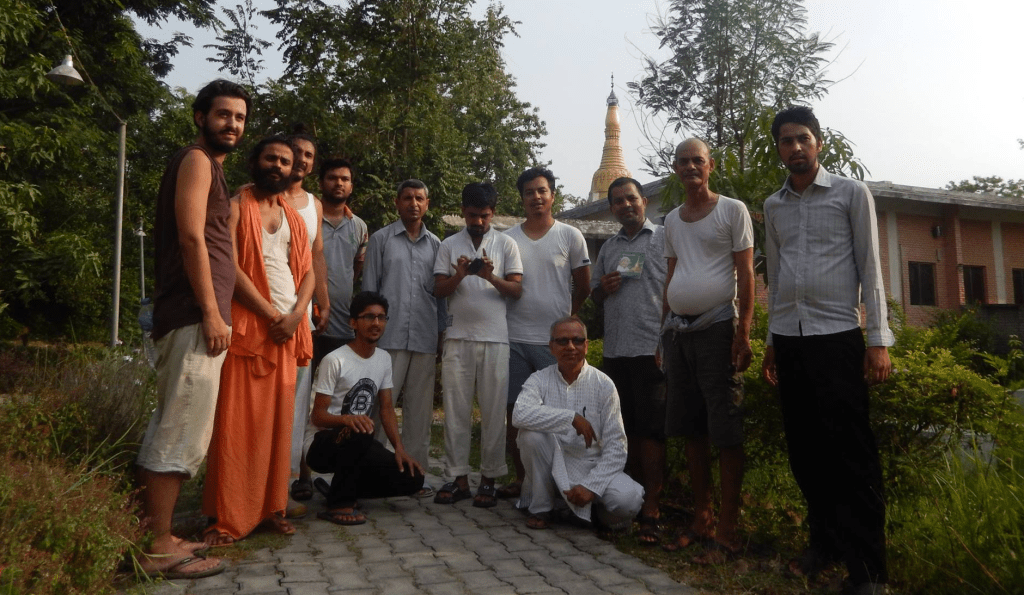
I first discovered the inner peace that meditation brings while doing a Vipassana course in Nepal. I’d never meditated before that, but after 10 days of silent meditation, completely removed from the world, I felt mental clarity and calmness like I’d never experienced before.
Although I tried to implement meditation into my daily routine after that, real life quickly got in the way. Nonetheless, I try and meditate whenever it feels like life’s a bit too much. It helps to un-muddy the waters of the mind.
People I’ve met say they wouldn’t be able to meditate, and can’t imagine the idea of doing absolutely nothing and sitting still. Make no mistake – meditation at its core is simply training your mind to focus on one thing or observe your own thoughts. Many activities can be seen as a form of meditation, from cleaning to coloring in.
Click here for a list of activities that can be meditative.
6. do yoga
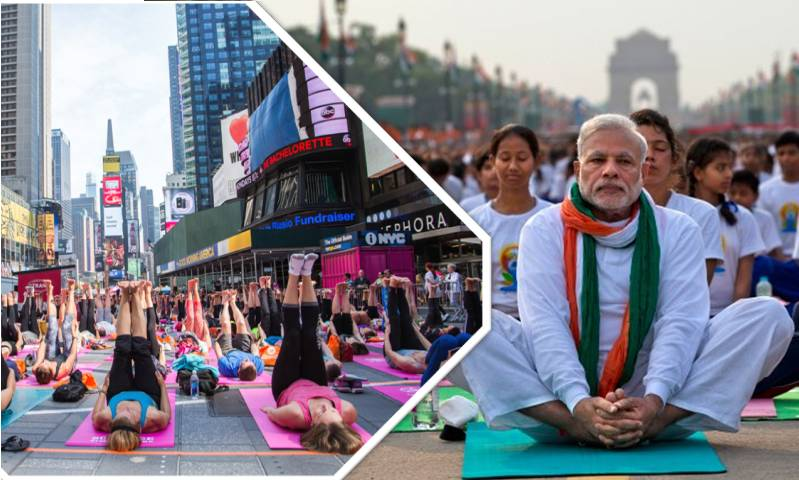
Since spreading to the West, yoga has soared in popularity, so most people are already aware of its many health benefits. Yoga improves flexibility and strength, improves your physical health in general, and elevates your mood and energy levels. Many people treat yoga as a workout, and while it is an effective form of exercise, it’s was not what yoga was originally intended for.
Historically, yoga was used in India to prepare the body for long periods of meditation. The philosophy behind it, of uniting the mind, body, and soul, is about attaining enlightenment and expanding consciousness.
I was lucky enough to get my introduction into yoga while I was in India. It was only one session, but it focused heavily on the mind, rather than the fitness-focused yoga I experienced in Western gyms. YouTube has plenty of beginner classes available for free! Try fitting a session into your day (preferably in the morning) and feel the calming Yogic energy flow through you.
7. listen to music

I love adding a soundtrack to the movie that is my life. Why listen to the sound of honking horns while driving to work when you have at your disposal a phone with access to unlimited music?
When I lived in Vietnam, my motorbike commutes were made much more enjoyable with a bit of in-helmet karaoke to distract me from the chaos of Hanoi’s roads. I’m sure many Vietnamese drivers thought I was crazy when they saw me singing along to David Bowie or Queen on my own at traffic lights, but at least it stopped me from inadvertently expressing my deep-seated, inner road-rage.
There’s an entire library of research showing the benefits of music on stress levels and mood. It can:
- lower our heart rate and cortisol levels
- release endorphins and improve our sense of well-being
- distract us, reducing physical and emotional stress levels
- reduce stress-related symptoms, whether used in a clinical environment or in daily life
8. play non-competitive videogames
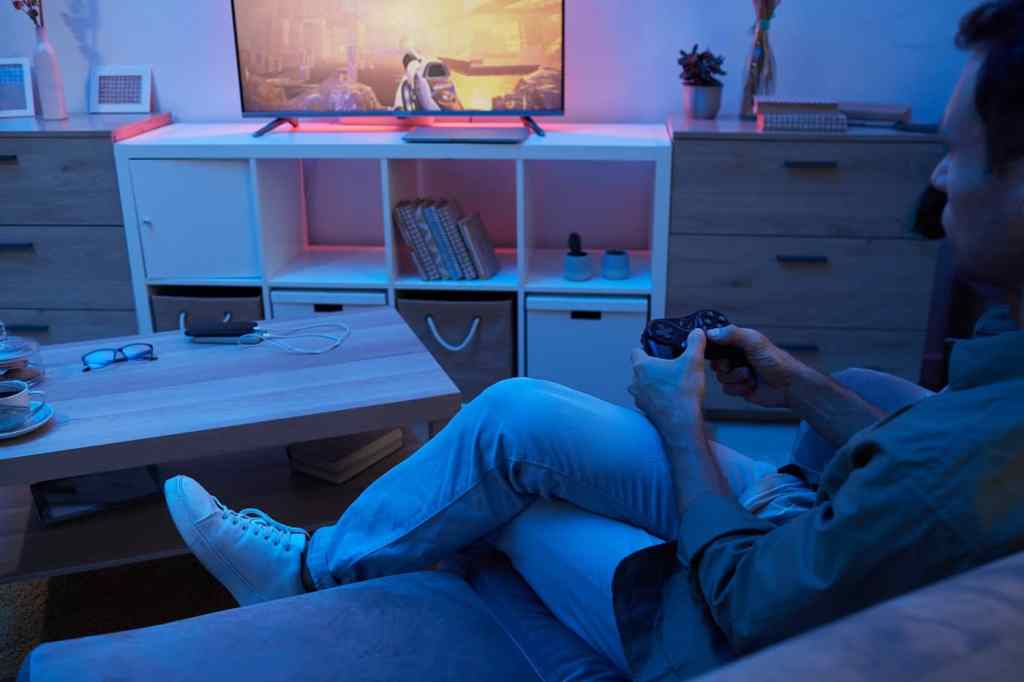
Anyone who has played competitive shooter games can probably tell you – they are not the greatest way to releive yourself of stress. I have shameful teenage memories of shouting at my Xbox 360 during intense games of Call of Duty, and lobbies filled with toxic gamers shouting various slurs or describing what they’d do to my mum.
As an adult however, I’ve found video games to be a huge source of relaxation. After a long day at work, there’s something extremely meditative about pulling Tetris up on screen and trying to maneuver brightly colored shapes neatly into place.
Video games help me to switch my brain off completely and forget about my troubles, and data shows that they have numerous mental health benefits.
Although gaming isn’t everyone’s cup of tea, it’s one of the fastest growing industries, and the number of people playing video games is constantly increasing. There’s likely a game out there that suits you.
Check out this list of games that can help you button-mash your mental tension away.
9. use a sensory deprivation tank
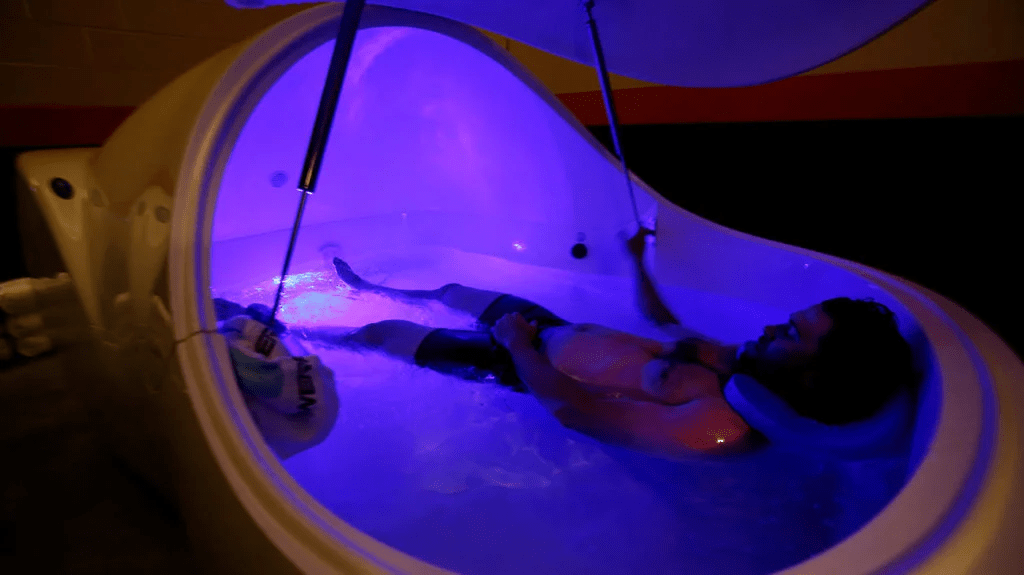
This last item on the list is perhaps the most effective stress-reliever, yet the least accessible.
For the uninitiated, a sensory deprivation tank or isolation tank is an environment that’s designed to deprive you of all sensory input. It’s filled with salt water heated to body temperature, allowing you to float and not feel where the water begins or ends. Sound and light are completely blocked out, so you’re left floating in nothingness with only your own thoughts to keep your company. If you’ve ever listened to Joe Rogan you may have heard him rambling on about how great they are – he’s right.
I’ve only had one Restricted Environmental Stimulation Therapy (REST) session, but it was life changing. While living in the noisy, overcrowded, and stressful city of Hanoi, I found a place that offered 90-minute sessions for only $25. I was initially reluctant to try it out, thinking, “Only my own thoughts, no visual or audio stimulation? Terrifying!”, but I needed to seriously de-stress.
And I’m so glad I did.
It was the first time I’d experienced true silence. I was in pitch-black darkness with not a single ray of light to steal my attention. I wondered if this was how babies felt in the womb.
Aside from the calmness I’d experienced after 10 days of meditation, this was the most at peace I’d ever felt. There isn’t anything else I’ve found in this world that provides the feeling of calming weightlessness and separation from the body that a sensory deprivation tank does.
If you can find one in your local area, I’d strongly recommend trying it out!
Finding peace takes different approaches catered to each individual. Whether it’s long-term inner peace you’re seeking, or momentary respite from the mayhem of your daily life, I hope my list has given you some ideas on how to achieve it.
 Jason Law
Leave a comment